
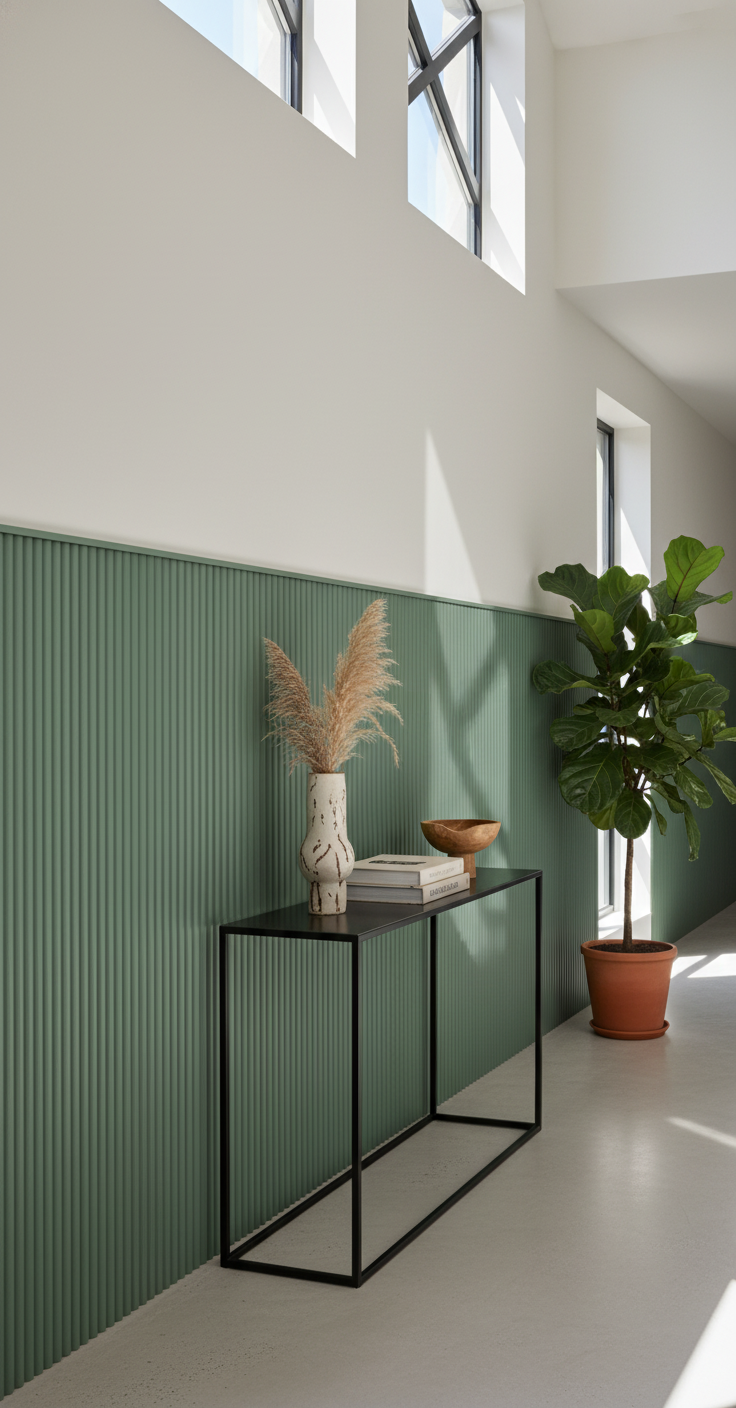
Architectural design requires a precise balance between aesthetic appeal and material longevity. Traditional building components often force architects and designers to compromise, choosing either the warmth of natural wood or the durability of synthetic alternatives. However, the introduction of engineered composites has bridged this gap, offering solutions that meet the high aesthetic and functional demands of contemporary environments. Among these advancements, WPC louvers panels have emerged as a superior choice for both commercial and residential applications.
By combining the organic texture of wood with the resilience of high-density polymers, these panels offer an elegant structural element that withstands the test of time. Whether utilized to create a striking feature wall or a protective building facade, the versatility of these composite materials is reshaping how professionals approach spatial design. In this article, we explore the distinct advantages of integrating Cladex WPC louvers into modern architectural projects.
Wood Plastic Composite (WPC) is an innovative material engineered from a blend of natural wood fibers and heated thermoplastic resins. This manufacturing process creates a dense, highly structural material that completely eliminates the common vulnerabilities associated with traditional timber. Unlike natural wood, WPC louvers panels do not warp, splinter, or succumb to termite damage. The extrusion process ensures that every panel is uniform in size, shape, and density, providing a flawless finish that appeals to detail-oriented designers.
Because the material is engineered rather than harvested in its final form, it can be manufactured to meet exact architectural specifications. The structural integrity of WPC allows for crisp, linear profiles that draw the eye upward, giving spaces a sense of heightened volume and sophisticated structure. This linearity is a staple in minimalist and contemporary design, offering a clean aesthetic without sacrificing warmth.
The visual flexibility of composite materials is a significant reason for their rapid adoption. Modern WPC designs replicate the intricate grain patterns and rich color palettes of premium hardwoods such as teak, oak, and walnut. This allows designers to introduce natural textures into a space without taking on the heavy maintenance burden of real wood.
Beyond standard flat cladding, the fluted and louvered profiles of these panels create dynamic shadow play. As natural or artificial light hits the grooved surfaces throughout the day, the walls take on a rhythmic, textured appearance. This dimensional quality transforms static rooms into engaging environments. Whether applied in a corporate boardroom, a luxury hotel lobby, or a residential living space, these WPC wall panels instantly elevate the surrounding architecture, providing a premium finish that looks meticulously crafted.
One of the primary limitations of traditional wood cladding is its susceptibility to moisture. Exposure to humidity, rain, or even routine cleaning can cause natural timber to swell, rot, or develop mold. This is where engineered composites demonstrate their most significant functional advantage. Cladex WPC is inherently highly resistant to moisture, making waterproof louvers an ideal specification for demanding environments.
In high-humidity areas such as spa facilities, indoor pool enclosures, and coastal properties, these panels maintain their structural and visual integrity year after year. The polymer matrix encasing the wood fibers acts as an impenetrable barrier, preventing water absorption. This moisture resistance drastically reduces the need for ongoing maintenance, entirely eliminating the cycle of sanding, staining, and sealing required by natural timber.
Environmental responsibility is no longer an optional consideration in modern construction; it is a fundamental requirement. Sourcing materials that minimize ecological impact is a priority for leading architectural firms. Because WPC is primarily composed of recycled wood fibers and repurposed plastics, it diverts substantial waste from landfills and reduces the demand for virgin timber.
Opting for eco-friendly wall panels allows designers to achieve the luxury of natural wood finishes without contributing to deforestation. Furthermore, the manufacturing process of premium WPC products typically involves lower energy consumption and fewer harmful emissions compared to processing heavy metals or firing traditional ceramics. At the end of their remarkably long lifecycle, many WPC materials can be recycled again, creating a closed-loop system that aligns perfectly with sustainable building certifications.
The adaptability of WPC extends across a wide spectrum of architectural applications. As a durable wall cladding, it serves both protective and decorative functions. On building exteriors, it acts as a robust rainscreen, shielding the primary structure from harsh weather conditions, UV degradation, and temperature fluctuations. The material's high density provides excellent thermal and acoustic insulation, contributing to the overall energy efficiency and comfort of the building.
Internally, the applications are equally diverse. Designers frequently specify these panels for high-traffic corridors, elevator lobbies, and feature walls where impact resistance is crucial. The material handles the wear and tear of daily commercial use with ease, maintaining its pristine finish without the frequent touch-ups required by painted drywall or traditional wallpaper. Furthermore, the installation process is highly efficient. The panels are designed with interlocking mechanisms that allow for seamless, concealed fastening, reducing labor time and ensuring a flawless, professional result.
Sourcing the right material is just as important as the design itself. Bombay Decoratives has built a reputation for delivering architectural solutions that uncompromisingly blend quality, aesthetics, and longevity. The Cladex range of WPC products exemplifies this commitment. Manufactured under strict quality control standards, these panels offer superior color fastness, dimensional stability, and precise profiling.
By choosing Cladex, architects and property owners invest in a material that guarantees long-term performance while satisfying the most rigorous aesthetic standards. The collection features a curated selection of finishes designed to complement both bold, modern visions and subtle, timeless spaces. If you are planning an upcoming interior or exterior project, we invite you to discover Cladex WPC Louvers and explore how this premium material can define your next architectural endeavor.
The evolution of building materials has fundamentally shifted what is possible in spatial design. WPC louvers panels represent the pinnacle of this progress, offering a sophisticated alternative that outperforms traditional options on almost every metric. From their compelling visual depth to their unyielding resistance to moisture and wear, these composite panels are an invaluable asset for any design professional. By integrating these resilient, eco-conscious materials into your projects, you ensure that your spaces will remain beautiful, functional, and structurally sound for decades to come.
Yes, high-quality WPC louvers are specifically engineered to withstand outdoor conditions. They offer excellent UV resistance and are waterproof, making them ideal for durable exterior wall cladding.
Unlike natural wood, WPC wall panels are incredibly low maintenance. They do not require sanding, staining, or sealing. Routine cleaning with mild soap and water is typically all that is needed to keep them looking new.
WPC is considered an eco-friendly material because it is manufactured using recycled wood fibers and recycled plastics. This process reduces reliance on virgin timber and helps divert plastic waste from landfills.
Yes, the dense composition and fluted profiles of WPC louvers can help diffuse sound waves, reducing echo and improving the overall acoustic comfort of interior spaces.